Posts

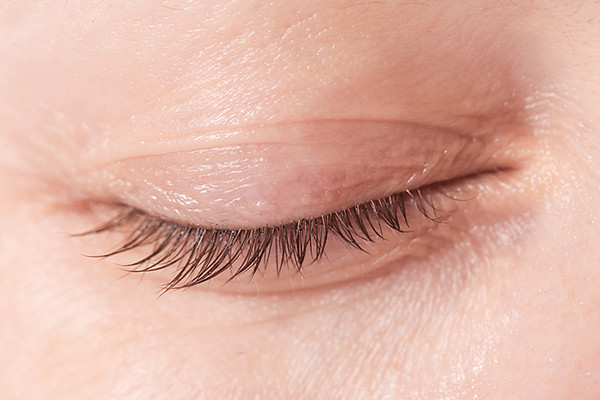
The aging eye: when to worry about eyelid problems
Image
Age, certain diseases, and some cosmetic treatments can affect the muscles and skin of the upper and lower eyelids. Often the problem affects your appearances and nothing more, but in other cases it may interfere with vision or cause eye irritation. Blepharitis. Blepharitis is inflammation of the eyelids. It can be caused by a problem with the oil glands near the base of the eyelids, a bacterial infection, or skin conditions like rosacea or seborrheic dermatitis (dandruff of the scalp and eyebrows). Though blepharitis usually doesn't affect your sight, it can make your eyelids red, itchy, and swollen and leave your eyes red and watery. Your ophthalmologist might recommend treatments like artificial tears or a short course or steroid eye drops to relieve discomfort from blepharitis. You'll also get treated for the cause of the problem, for example, with anti-dandruff shampoo or antibiotic eye drops. It also helps to regularly clean your eyelids with a warm washcloth. Pto...

5 truths about protecting your eyes

Image
Of your five senses, which one are you most afraid of losing? If you're like most people, your answer is your ability to see. Because our eyesight is so precious, it's no wonder that myths abound about your eye health, what can damage our eyes, and what can protect them. Here, we debunk five common myths - and tell you how to truly keep your eyes healthy. Myth: Doing eye exercises will delay the need for glasses. Fact: Eye exercises will not improve or preserve vision, help your eye health, or reduce the need for glasses. Your vision depends on many factors, including the shape of your eyeball and the health of the eye tissues, neither of which can be significantly altered with eye exercises. Myth: Reading in dim light will worsen your vision. Fact: Dim lighting will not damage your eyesight or eye health. However, it will tire your eyes out more quickly. The best way to position a reading light is to have it shine directly onto the page, not over your shoulder. A des...

Medications for depression: Which is best?

Image
There are many medications that can be used to treat mood disorders. But finding the right one can be a lengthy process, and the choice can be more complicated than you might imagine. Just because a particular drug worked for a friend doesn't mean it will work for you. Psychiatrists and doctors who prescribe antidepressants choose a particular drug and dosage based on many factors, including the following: Diagnosis. Certain drugs are a better choice for specific symptoms and types of depression. For example, an antidepressant that makes you sleepy may be better when insomnia is an issue. The severity of your illness or the presence of anxiety, obsessions, or compulsions may also dictate the choice of one drug over another. Side effects. You may first want to choose a drug based on which side effect you most want to avoid. Medications vary in the likelihood they will cause such problems as sexual effects, weight gain, or sedation. Age. As you age, your body tends to break...

Get relief from eczema

Image
Eczema is an itchy rash that's often hard to get rid of. Most people can't help scratching it, which further irritates the skin. Eczema is often, but not always, related to allergies. A common cause is your skin overreacting to everyday irritants, such as dust, soaps and detergents, or even dry, cold air, which triggers an intensely itchy allergic reaction. Skin affected by eczema becomes dehydrated and dry easily, so treatment involves rehydrating the skin. Baths and showers must be short and not too hot. Afterwards, gently pat your skin dry and promptly apply moisturizers while your skin is still moist. Thick creams that lock in the moisture help the most. Be sure to choose creams or lotions without fragrances or preservatives. Limit the use of soaps and shampoos, too. These products remove the skin's natural oils and worsen dryness. And over-the-counter oral antihistamines can help with the ferocious itch. When moisturizers and antihistamines don't provide ad...

Daily skin care in 3 simple steps

Image
A widely-advertised facial moisturizer - claims to be the best on the market - and sells for $225 per bottle. Should you buy it? Another brand offers a complete skin care regimen - but it comes in 10 different bottles of lotions and potions that all need to be applied daily. Is it worth your time? Despite manufacturers' claims, many cosmetic products will remove more cash from your wallet than dirt and oils from your skin. You don't need an expensive or lengthy skin care routine - and the good news is, the most effective and reliable regimen is also quick and inexpensive. For daily skin care, you can limit your routine to three simple steps: cleaning your skin, protecting it from the sun, and tending to any specific skin problems you may have, such as dry skin, acne, or fine lines and wrinkles. Products for all three steps are available for very little cost at your local drugstore. 1. Clean your skin. Choose your skin cleanser based n whether your skin is dry or oily...

Evaluating MCI

Image
The journey toward a diagnosis of MCI is most often initiated by a person's subjective complaint about memory and thinking problems or by concerns expressed by those closest to the individual. This is an important distinction because cognitive changes that are readily apparent to the broader outside world are more likely to signal that the person is suffering from dementia. In addition, people who have progressed into Alzheimer's disease are often not aware of their memory lapses. The primary objective of the evaluation should be to distinguish MCI from normal aging or dementia and to look for underlying causes that are potentially reversible. Establishing the cause and scope of the impairment is helpful in setting a baseline for future evaluations to determine if the condition is progressing to dementia. Although your regular doctor is a good place to start the process because he or she knows you and your medical history, most primary care physicians don't have the t...

Treating prostate cancer with combined hormonal-radiation therapy

Image
Androgens, the family of male sex hormones that includes testosterone, function as a fuel for growth in normal development. However, in some men they can also drive the progression of prostate cancer. Hormonal therapy treats prostate cancer by dramatically reducing levels of testosterone and other androgens. Hormonal therapy is sometimes given in conjunction with external beam radiation to boost the effectiveness of treatment. Hormonal therapy may also be used to shrink the size of large prostate glands (typically defined as those weighing more than 50 grams) before brachytherapy takes place, to enable proper placement of the radioactive seeds. Combination hormonal/radiation therapy is now a standard option for men with cancer (stage T3 or T4) or whose cancer is considered high-risk based n other clinical findings, with studies showing that it reduces the risk of dying from prostate cancer and other causes more than with either treatment given alone. A study in 2014 found that ...